
August 6, 2026
House Restumping Tasmania: Timber, Concrete or Steel Stumps and When It’s Time to Replace (2026 Guide)
House Restumping Tasmania 2026: How to Choose Between Timber, Concrete, or Steel Stumps and When to Replace Them
By Fouad Khalil, Mirage Building and Construction
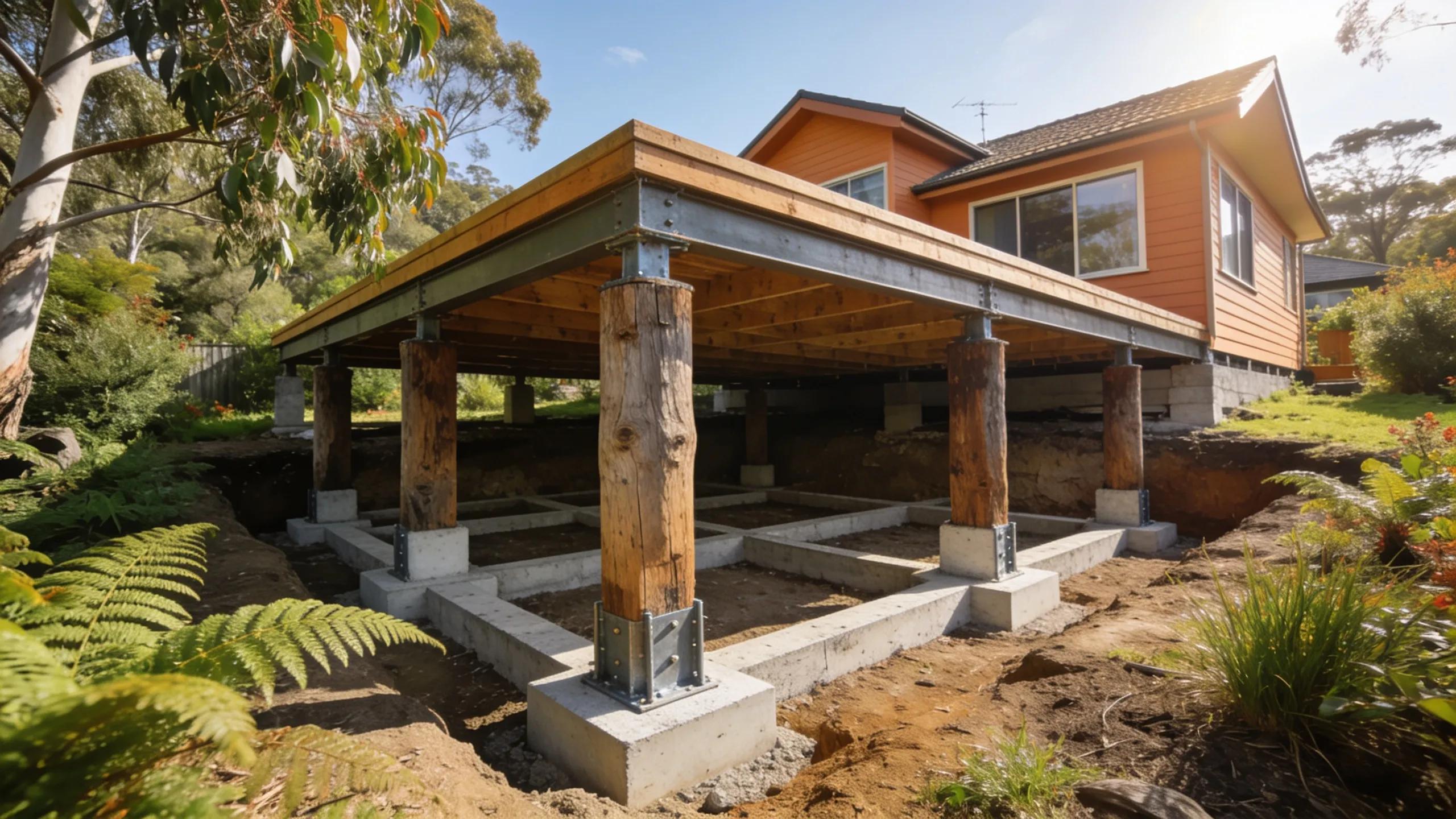
House restumping is essential for maintaining the integrity and safety of a home’s foundation, especially in areas like Tasmania where diverse climatic conditions can impose significant demands on building structures. This guide provides vital information on the three primary types of stumps—timber, concrete, and steel—highlighting their individual advantages and disadvantages while also discussing when and why homeowners may need to consider restumping their properties. As many homeowners face issues such as uneven floors or visible signs of decay, understanding the appropriate indicators for restumping is crucial. This article will cover the types of stumps available, signs indicating a need for restumping, associated costs in 2026, guidance on choice, DIY risks, and resources to find reputable contractors.
What Are Timber, Concrete, and Steel Stumps? Material Comparison and Benefits
When considering house foundations, the choice of stump material is pivotal. Timber, concrete, and steel each present unique properties that respond differently to Tasmania’s climate and geographical challenges. Timber stumps, typically more affordable, are often preferred for their ease of installation, yet they are susceptible to pest damage and environmental decay. In contrast, concrete stumps provide superior stability and moisture resistance, making them suitable for wet conditions but usually at a higher installation cost. Steel stumps are lauded for their strength and resistance to moisture and pests; however, they may be pricier and pose installation challenges.
What Are the Advantages and Disadvantages of Timber Stumps in Tasmania?
Timber stumps offer several benefits, making them a popular choice in Tasmanian homes. For instance, their affordability and ease of installation are compelling advantages, appealing to many homeowners looking to minimise upfront costs. Furthermore, timber has a natural aesthetic that some homeowners find appealing. However, there are significant drawbacks to consider. Timber is particularly susceptible to rot and pest infestations, which can dramatically reduce their lifespan, especially in coastal environments. Homeowners often find that timber stumps may last approximately 10-20 years depending on treatment and environmental factors.
How Do Concrete Stumps Enhance House Stability and Moisture Resistance?
Concrete stumps are renowned for their durability and capacity to enhance overall stability in a structure. Their inherent resistance to moisture makes them an ideal choice for homes located in areas with high rainfall or poor drainage, mitigating the risk of rot. Although the initial installation costs of concrete stumps can be higher compared to timber, many homeowners find that the long-term stability and reduced maintenance costs provide a favourable return on investment. In addition, case studies indicate that properties supported by concrete stumps show a significant reduction in settling issues over time compared to those using timber.
What Are the Pros and Cons of Using Steel Stumps in Tasmania’s Climate?
Steel stumps are gaining traction as a preferred option for homeowners in Tasmania, particularly for their exceptional resistance to environmental factors, including moisture and pests. The longevity of steel—often exceeding 50 years—ensures minimal need for replacement, offsetting the higher initial costs. However, steel stumps can be challenging to install due to their weight and the need for precise engineering considerations. Additionally, they may not provide the same level of thermal insulation as timber or concrete, which could impact the comfort of the home in colder months.
How Do You Know When House Restumping Is Needed? Recognising Key Signs and Symptoms
Identifying when a house requires restumping is crucial to maintaining its structural integrity. Homeowners should be vigilant for specific signs that may indicate foundation issues. Uneven or bouncy floors are often among the first noticeable symptoms, signalling movement in the stumps. Other visual indicators could include cracks in the walls or ceilings, as well as gaps appearing around windows and doors, which all point towards settlement or foundation damage. Prompt action upon noticing these signs can prevent more extensive and costly repairs down the line.
What Are the Common Signs That Indicate House Foundations Need Restumping?
The need for restumping often becomes evident through several common signs. Homeowners should monitor for:
Bouncy or Uneven Floors: A noticeable bounce when walking or uneven surfaces can suggest instability.
Visible Signs of Decay: Cracked timber or rotting stumps may present clear indications of underlying issues.
Cracks in Walls and Floors: Any new or expanding fractures can indicate structural stress requiring professional assessment.
Bouncy or Uneven Floors: A noticeable bounce when walking or uneven surfaces can suggest instability.
Visible Signs of Decay: Cracked timber or rotting stumps may present clear indications of underlying issues.
Cracks in Walls and Floors: Any new or expanding fractures can indicate structural stress requiring professional assessment.
These symptoms should prompt homeowners to consult with structural engineers or qualified contractors to assess the situation thoroughly.
How Can Homeowners in Tasmania Assess the Urgency of Restumping?
Evaluating the urgency of a potential restumping project involves careful observation and consultation with professionals. Homeowners can begin by using a checklist that includes monitoring the aforementioned symptoms and documenting their progression over time. If significant issues are noted, such as rising cracks or severe bounciness, seeking professional evaluation is paramount. Timely intervention can not only save homeowners from more significant structural repairs but also preserve the value of their home.
What Is the Cost to Restump a House in Tasmania in 2026? Detailed Pricing Breakdown
In 2026, the average cost to restump a house in Tasmania varies significantly based on several factors. The type of stump, size of the home, and accessibility to the worksite all influence pricing estimates. Homeowners can expect costs to range broadly, and understanding these variables helps in making informed financial decisions.
Which Factors Influence Restumping Costs in Tasmania?
Several key factors influence the overall costs associated with restumping, including:
Material Type: Prices can vary dramatically between timber, concrete, and steel options.
Labour Costs: The expertise and experience of the contractors can impact cost; skilled labour tends to be more expensive.
Local Regulations: Compliance with building codes and regulations may necessitate additional permits, thus affecting budget considerations.
Material Type: Prices can vary dramatically between timber, concrete, and steel options.
Labour Costs: The expertise and experience of the contractors can impact cost; skilled labour tends to be more expensive.
Local Regulations: Compliance with building codes and regulations may necessitate additional permits, thus affecting budget considerations.
Each of these components contributes to determining the final cost of restumping a house in Tasmania.
How Do Timber, Concrete, and Steel Stump Costs Compare Locally?
Stump Type
Cost Range
Benefits
Timber
$6,000 – $12,000
Affordable, easy installation
Concrete
$12,000 – $18,000
Durable, moisture-resistant
Steel
$18,000 – $25,000
Long-lasting, resistant
The decision on which type of stump to select should take into account both immediate costs and long-term value based on maintenance and stability over time.
How to Choose the Right Stumps for Your Tasmanian House: Practical Guidance
Choosing the right stump material is crucial not only for structural integrity but also for budget and aesthetic considerations. Homeowners need to assess their specific circumstances, including the environmental conditions of their location and the design of their home.
Which Stump Material Suits Different House Types and Environmental Conditions?
Selecting the appropriate material depends on several factors, including:
House Style: Some materials suit specific architectural styles better than others.
Environmental Conditions: For instance, areas prone to flooding may favour concrete or steel over timber to ensure longevity and stability.
Budget: Availability and costs should also shape the decision, as owners might prioritise affordability without sacrificing quality.
House Style: Some materials suit specific architectural styles better than others.
Environmental Conditions: For instance, areas prone to flooding may favour concrete or steel over timber to ensure longevity and stability.
Budget: Availability and costs should also shape the decision, as owners might prioritise affordability without sacrificing quality.
Understanding these dynamics will facilitate informed choices about stump selection.
What Local Regulations and Building Codes Affect Restumping in Tasmania?
Local regulations play a critical role in the restumping process, governing what types of materials can be used and how they must be installed. Homeowners must familiarise themselves with relevant laws such as:
Building Codes: Compliance with safety standards ensures structural integrity.
Permit Requirements: Some projects require permits from local authorities, which can impact timelines and costs.
Impact on Choices: Adhering to regulations can sometimes limit available options for materials or methods, necessitating research and planning.
Building Codes: Compliance with safety standards ensures structural integrity.
Permit Requirements: Some projects require permits from local authorities, which can impact timelines and costs.
Impact on Choices: Adhering to regulations can sometimes limit available options for materials or methods, necessitating research and planning.
Each of these elements is crucial in planning a successful restumping project.
Can You DIY Restump a House Safely? Risks and Safety Precautions for Homeowners
While some homeowners may consider DIY restumping as a cost-saving option, it is vital to recognise the complexities and dangers involved in such an undertaking. Insufficient knowledge or experience can lead to severe consequences, making it essential to weigh the risks against potential savings.
What Are the Key Steps in a DIY Restumping Process?
For those opting to pursue a DIY restumping approach, following a structured process is essential:
Preliminary Assessments: Evaluate the existing foundation and determine the extent of work needed.
Required Tools and Materials: Gather necessary equipment, including jacks, stumps, and safety gear.
Safety Measures: Implement safety protocols such as using appropriate lifting techniques and ensuring structural support during the process.
Preliminary Assessments: Evaluate the existing foundation and determine the extent of work needed.
Required Tools and Materials: Gather necessary equipment, including jacks, stumps, and safety gear.
Safety Measures: Implement safety protocols such as using appropriate lifting techniques and ensuring structural support during the process.
Each of these steps carries its own importance in ensuring the project is completed safely and effectively.
What Safety Risks Should Tasmanian Homeowners Consider Before DIY Restumping?
Several safety risks must be considered before attempting a DIY restumping:
Risk of Injury: Improper lifting techniques or inadequate support can lead to serious injuries.
Structural Risks: Failing to meet structural integrity can result in further damage to the home.
Warning Signs: Homeowners should be aware of potential hazards and always prioritise calling professionals when in doubt.
Risk of Injury: Improper lifting techniques or inadequate support can lead to serious injuries.
Structural Risks: Failing to meet structural integrity can result in further damage to the home.
Warning Signs: Homeowners should be aware of potential hazards and always prioritise calling professionals when in doubt.
Caution and thorough planning are imperative to ensure the safety of those involved in a DIY project.
Where to Find Trusted Restumping Contractors in Tasmania and Useful Local Resources
Finding qualified contractors is crucial to a successful restumping project. Homeowners should take the time to research and reach out to various professionals in the area.
How to Verify Credentials and Experience of Tasmanian Restumping Experts?
Homeowners should ensure that any contractor they consider for restumping has the following:
License and Insurance Checks: Verify that the contractor is certified and covered for liability and worker’s compensation.
Past Project Reviews: Look for testimonials or case studies showcasing previous work quality.
Importance of References: Ask for references from past clients to gauge satisfaction and reliability.
License and Insurance Checks: Verify that the contractor is certified and covered for liability and worker’s compensation.
Past Project Reviews: Look for testimonials or case studies showcasing previous work quality.
Importance of References: Ask for references from past clients to gauge satisfaction and reliability.
This diligence helps in selecting a trustworthy partner for important foundational work.
What Supporting Resources Can Help Tasmanian Homeowners Plan Restumping?
Multiple resources are available to assist homeowners in the restumping process, including:
Local Building Authority Contacts: Engage with local authorities for guidance on regulations.
Online Resources and Guides: Many websites provide valuable information on restumping procedures and best practices.
Community Recommendations: Other homeowners might offer insights based on their experiences, helping to inform decisions.
Local Building Authority Contacts: Engage with local authorities for guidance on regulations.
Online Resources and Guides: Many websites provide valuable information on restumping procedures and best practices.
Community Recommendations: Other homeowners might offer insights based on their experiences, helping to inform decisions.
Setting out to gather the appropriate knowledge and hiring trustworthy experts makes for a successful restumping project, securing the home’s foundation for years to come.