
September 20, 2026
Underpinning Hobart Cost Guide 2026: What Tasmanian Homeowners Should Budget For
Underpinning Hobart Cost Guide 2026: What Tasmanian Homeowners Should Budget For
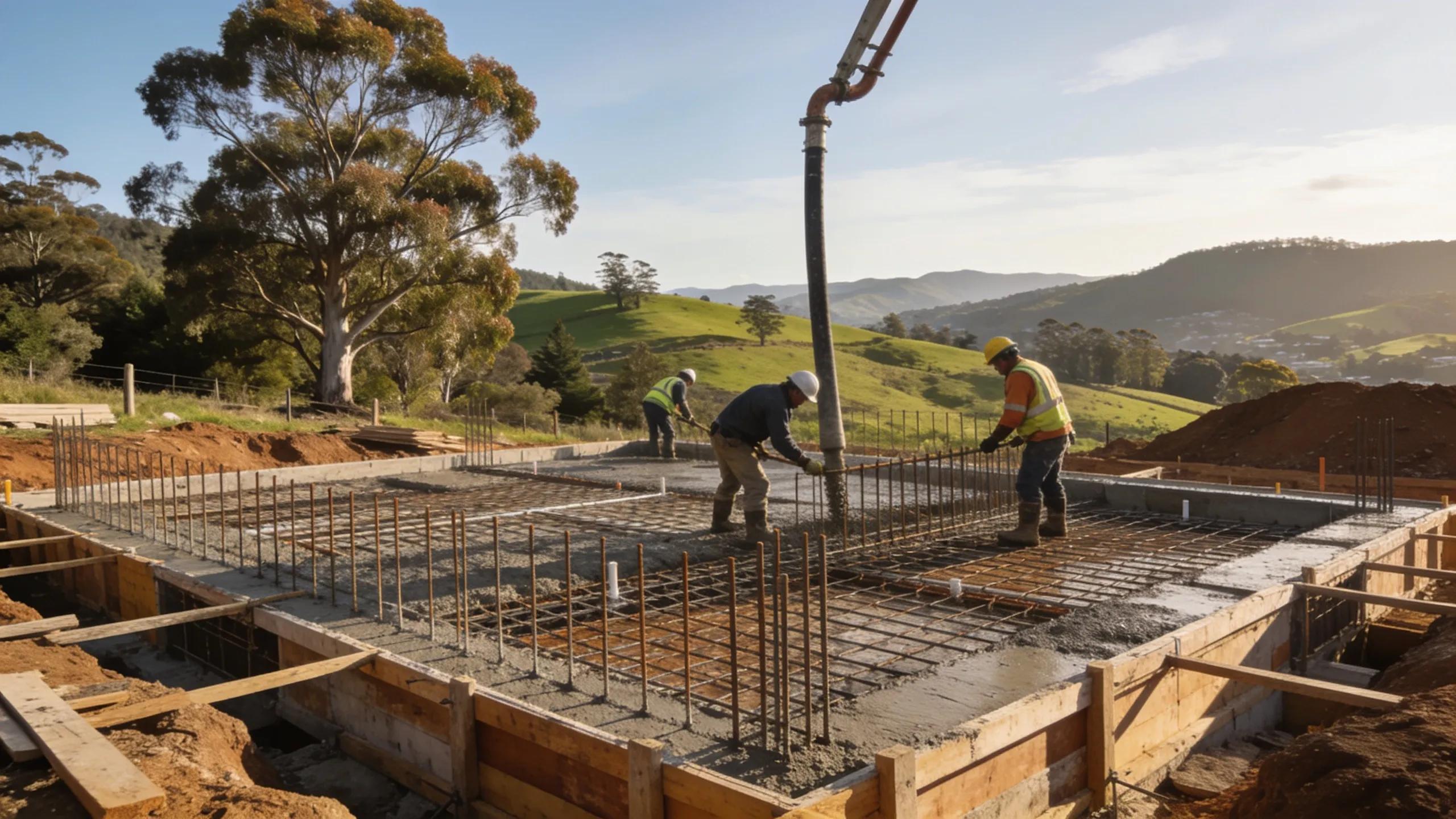
By Fouad Khalil, Mirage Building and Construction
As a homeowner in Tasmania, understanding the costs associated with underpinning and house restumping is essential for budgeting and maintaining the structural integrity of your home. Underpinning is a vital process that reinforces and stabilizes your property’s foundation, especially in regions like Hobart where geological conditions can vary significantly. This guide provides an overview of underpinning, associated costs, factors that influence these costs, and insights into when restumping becomes necessary. Tasmanian homeowners will find clarity on budgeting for these crucial home repairs, ensuring that they can effectively plan for the future and avoid potential structural issues.
What Is Underpinning and House Restumping in Tasmania?
Underpinning and house restumping are critical processes used to secure the foundations of a home in Tasmania. Underpinning refers to the method of strengthening the existing foundation of a home, often through techniques like mass concrete underpinning or screw pile underpinning. House restumping involves replacing or adjusting the support stumps that hold up the home, usually necessary when these stumps deteriorate or the ground beneath them shifts. Both processes are essential for ensuring the longevity and safety of a home, especially in Tasmania’s unique environmental conditions, where foundation movement and soil erosion can be significant concerns.
How Does Underpinning Strengthen Your Hobart Home’s Foundation?
Underpinning enhances foundational stability by increasing the depth and load-bearing capacity of the existing foundation. Techniques such as mass concrete underpinning involve excavating under the foundation and pouring concrete to create a more robust base. This process helps distribute the load more evenly and provides additional support against shifting soils or moisture issues, which can lead to structural damage. By reinforcing the foundation, homeowners can prevent cracks, sagging floors, and other complications associated with inadequate supports.
Various technical approaches can be employed to significantly improve both the structural and geotechnical capacity of a building’s existing footings.
Methods to Enhance Geotechnical and Structural Foundation Capacity The geotechnical underpinning techniques involve soil improvements by piling, micro-piling, grouting, helical piers, and geosynthetic reinforcements, as well as structural enhancement approaches including concrete jacketing and footing enlargement. Review of methods to enhance the geotechnical and structural capacity of existing footings, 2026
How Much Does Underpinning Cost in Hobart in 2026?

The cost of underpinning in Hobart can vary widely based on several factors, including the method used, the materials involved, and the extent of the foundation issues being addressed. As of 2026, homeowners should expect to budget anywhere from $5,000 to $15,000 for underpinning services, depending on these variables.
| Material Type | Cost Range |
|---|---|
| Timber | $6,000 – $10,000 |
| Concrete | $12,000 – $20,000 |
| Steel | $15,000 – $25,000 |
This range reflects the varying degrees of complexity and material choices available for foundation repair in Hobart.
What Factors Influence Underpinning and Restumping Prices?
Several key factors can influence the cost of underpinning and restumping in Tasmania. These include:
- Material Choice: Different materials come with varying costs. Timber is often the most affordable, while steel and concrete provide stronger, longer-lasting solutions at a higher price.
- Labour Costs: Skilled labour for underpinning and restumping can impact overall expenses, particularly if specialized equipment is required.
- Site Conditions: The condition of the soil and the accessibility of the site can also affect costs, with more challenging conditions leading to higher labour and material expenses.
Understanding these factors can help homeowners make informed decisions about their foundation repair needs.
When and Why Do Homes in Tasmania Need House Restumping?
House restumping typically becomes necessary when the existing stumps that support the home show signs of deterioration or when the foundation has shifted due to ground movement or water damage. Given Tasmania’s unique geological landscape, it’s not uncommon for homes to experience issues that require restumping.
What Signs Indicate You Should Consider Foundation Repair?
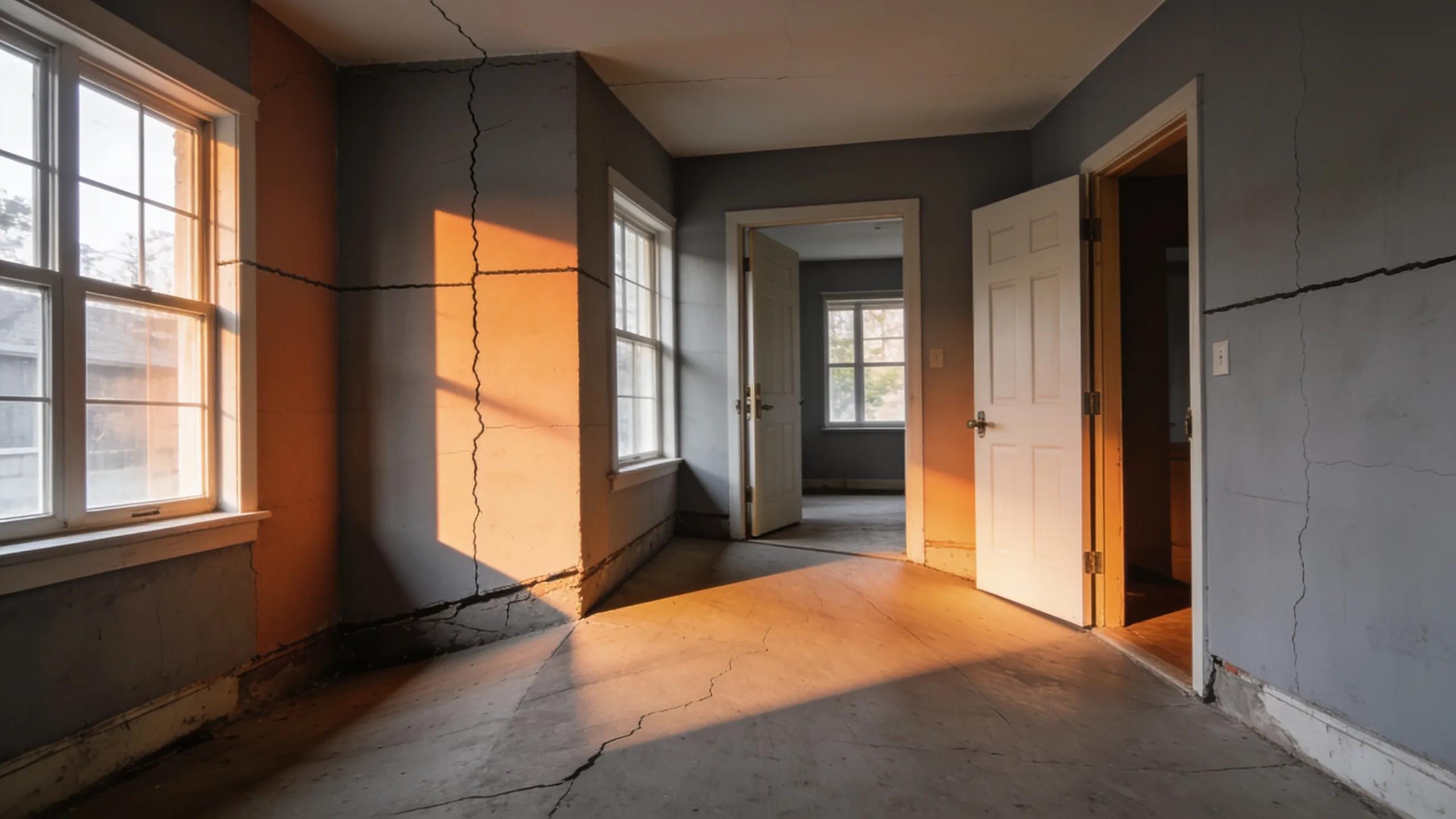
Homeowners should be vigilant for several warning signs that may indicate the need for foundation repair or restumping:
- Cracks in Walls: Visible fissures or gaps in interior or exterior walls can signify shifting foundations.
- Sloping Floors: Uneven or sagging floors might indicate that the foundation is no longer level.
- Misalignment of Doors: If doors are sticking or not closing properly, it could be a sign of foundation issues.
Promptly addressing these signs can help prevent more serious structural problems down the road.
Because foundations serve as the vital link transferring loads safely to the soil, any damage to them can rapidly compromise the overall stability of the entire building.
Case Study of Residential Building Foundation Failure and Repair The foundations are among of the structural elements of the buildings most affected by this damage, these constitute the link between the structure and the soil, they allow the transmission of loads from the structure to the soil. If these structural elements are damaged, they affect the general stability of the building. A case study of foundation failure of a residential building: From diagnosis to reparation, A Merah, 2021
How to Choose Licensed Underpinning Professionals in Tasmania?
Selecting the right professionals for underpinning is crucial for ensuring quality work and safety. Homeowners should consider several factors when choosing a contractor, including:
- Qualifications: Verify that the contractors have the necessary licences and certifications for foundation repair work in Tasmania.
- Experience: Look for contractors with a proven track record in underpinning and restumping projects. Experienced professionals can better assess your home’s specific needs.
- Client Reviews: Consider feedback from previous clients to gauge the reliability and quality of the services offered.
What Licensing and Insurance Should Hobart Contractors Have?
When hiring underpinning professionals, it is essential to ensure they possess the appropriate licensing and insurance. Basic requirements include:
- Licensing: Contractors should have local government-issued licences specific to foundation repair.
- Insurance: Adequate insurance coverage protects both the homeowner and the contractor during the project, ensuring liability coverage in case of accidents or damages during work.
By verifying these aspects, homeowners can ensure they are hiring qualified and trustworthy professionals for their underpinning needs.