
September 20, 2026
Underpinning Launceston: Foundation Repair Solutions for Northern Tasmania Homes
Underpinning Launceston: Foundation Repair Solutions for Northern Tasmania Homes
By Fouad Khalil, Mirage Building and Construction
Maintaining the structural integrity of a home is essential, especially in Launceston, where unique soil conditions and environmental factors can lead to various foundation issues. Understanding underpinning techniques and foundation repair solutions can help homeowners safeguard their properties against serious damage. This comprehensive guide will explore common issues that lead to foundation problems, the different types of underpinning repairs available, and best practices for maintaining structural integrity. By delving into these topics, you’ll gain valuable insights into ensuring your home remains safe and stable.
Common Issues Leading to Foundation Problems
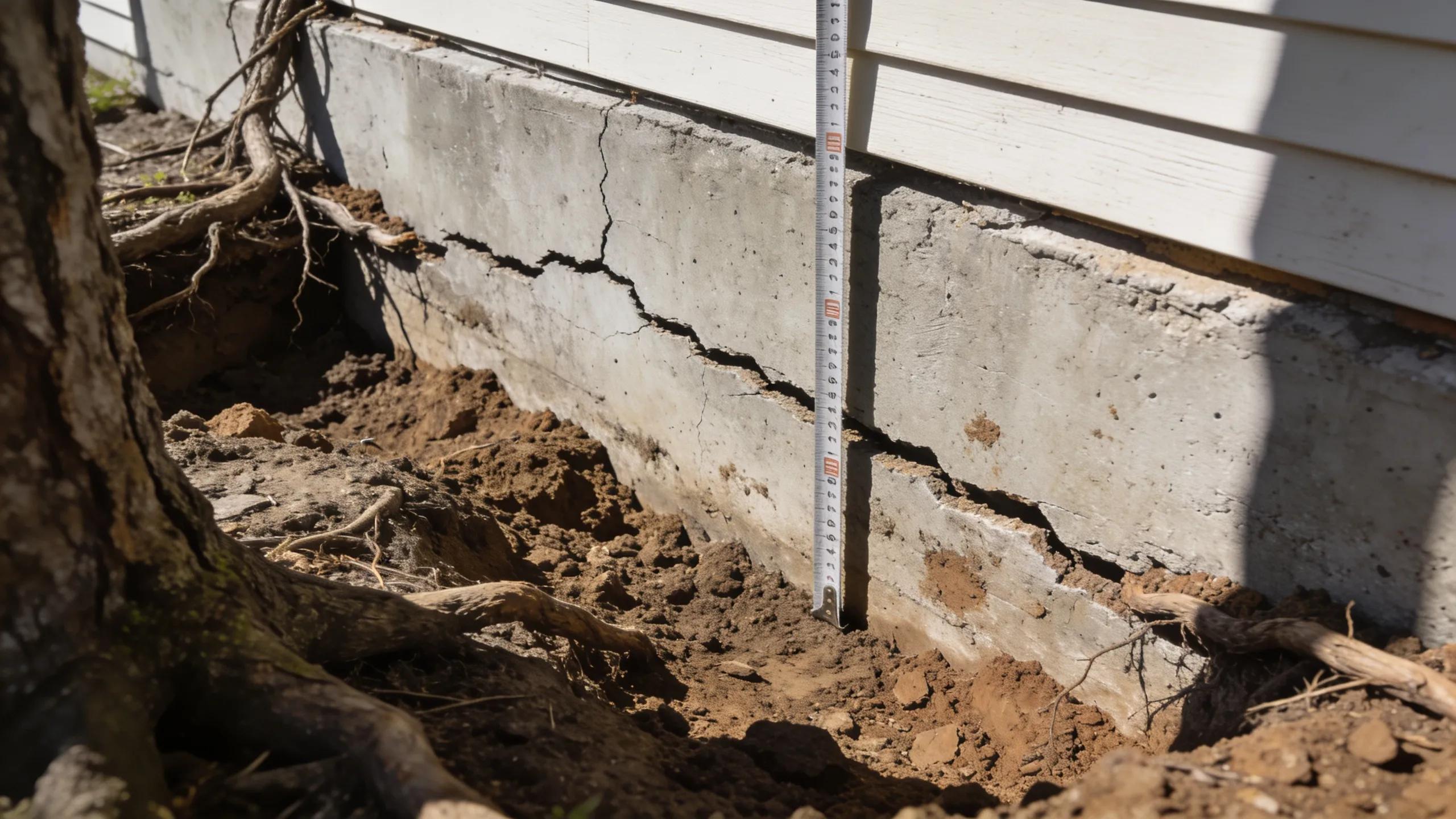
Several factors can contribute to foundation problems in Launceston homes, often resulting from natural environmental changes and human activities. Identifying these considerable issues is critical for preemptive maintenance and timely repairs.
- Soil Settlement: Over time, soil can settle or shift, leading to uneven distribution of weight and pressure on foundations.
- Moisture Changes: Fluctuations in moisture levels can cause the soil to expand or contract, affecting the stability of the foundation.
- Drainage Problems: Poor drainage can lead to excessive water accumulation near the foundation, contributing to erosion and instability.
- Tree Root Activity: Roots from nearby trees can invade and disrupt foundational structures, leading to cracking and dislocation.
- Ageing Construction: Older homes may have been built using outdated methods or materials that are more susceptible to decay or movement over time.
The comprehension of these issues allows homeowners to take proactive measures to protect their foundations from damage.
Types of Underpinning Repairs Available
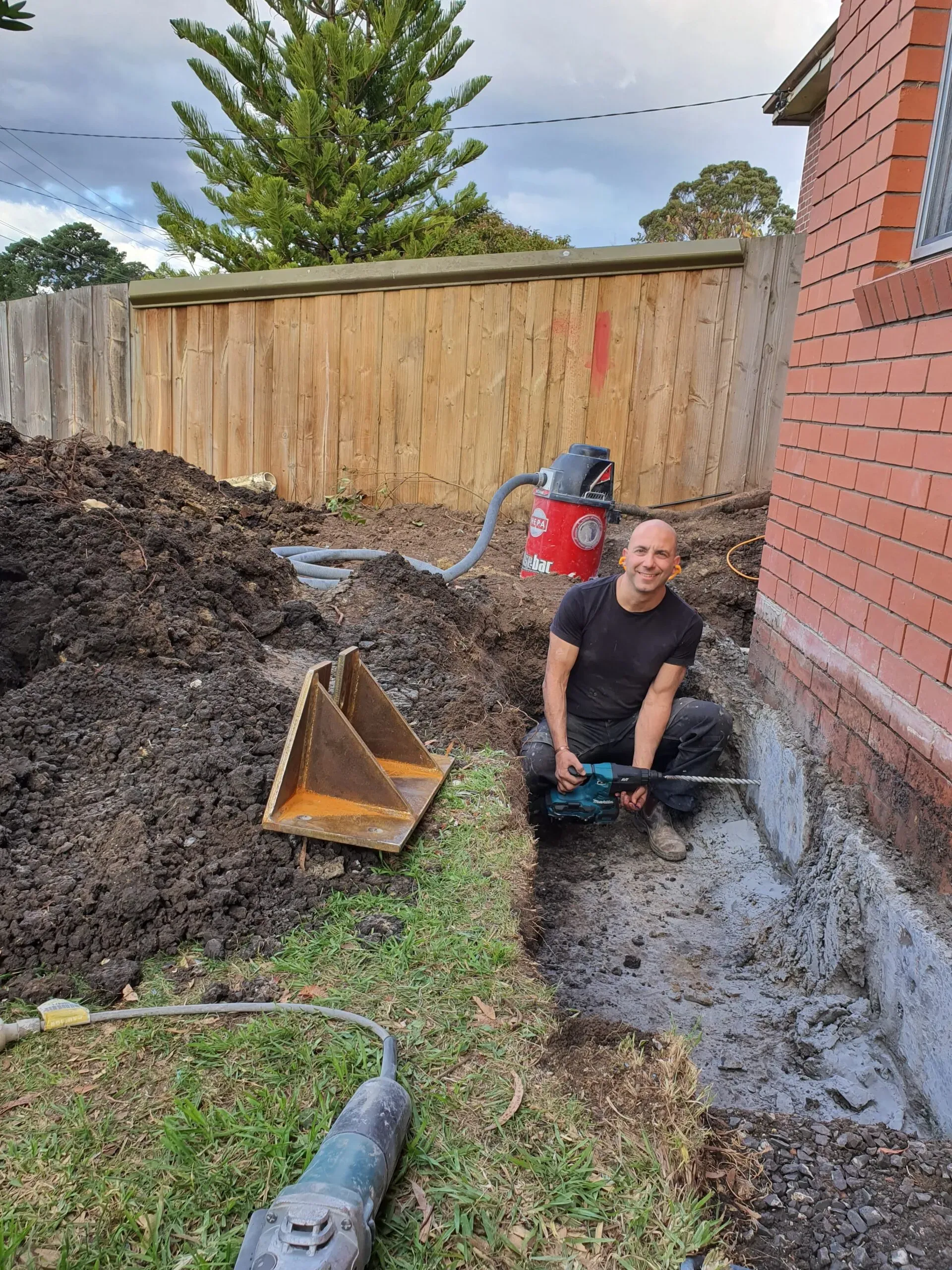
There are several underpinning methods designed to address foundation issues effectively. Each method varies in application and suitability, depending on the specific requirements of a property.
- Mass Concrete Underpinning: This method involves excavating sections of the foundation and pouring mass concrete beneath it, offering robust support.
- Screw Pile Underpinning: Adjustable steel screws are installed deep into the ground, providing stability and reinforcement while allowing for future adjustments.
- Resin Injection Underpinning: A modern technique that involves injecting expanding resin into the soil to fill voids and improve stability without heavy machinery.
- Beam and Base Underpinning: This technique combines a concrete beam with additional support under a house, providing stability to a sinking foundation.
By understanding these underpinning techniques, property owners can make informed choices about the best options for their specific situations.
Best Practices for Maintaining Structural Integrity
Ensuring a property’s foundation remains stable necessitates diligent maintenance practices. The following guidelines can help maintain structural integrity and prevent costly repairs down the line.
- Regular Inspections: Schedule routine assessments of the foundation to identify early signs of distress or damage.
- Proper Drainage Management: Install gutters and downspouts to direct water away from the foundation and prevent flooding.
- Vegetation Management: Keep trees and shrubs at a safe distance from the foundation to mitigate root damage.
- Prompt Repairs: Address any cracks or water damage immediately to prevent them from worsening.
- Professional Assessments: Engage with foundation professionals for thorough evaluations and recommendations.
Implementing these practices can significantly enhance a home’s durability and longevity.
What Causes Foundation Problems in Launceston Homes?
Understanding the specific factors that affect foundations in Launceston is vital for effective prevention and repair strategies. The region’s unique geological and environmental conditions play a significant role in foundation stability.
- Soil Composition: Different soil types have varied capabilities for supporting structures. Clay, for example, is prone to expansion and contraction based on moisture levels.
- Moisture Levels: Regions with inconsistent rainfall may experience alternating periods of flooding and drought, adversely affecting soil and foundation stability.
- Poor Drainage: Insufficient drainage systems allow water to pool near the foundation, leading to erosion or excess pressure on the foundation walls.
- Vegetation: Invasive plant species may draw excessive moisture from the soil or disrupt soil structure, both of which can compromise foundations.
- Construction Practices: Homes built with inadequate techniques may fail to safeguard against the shifting or settling environments.
Learning about these causes enables homeowners to understand the challenges their foundations may face.
What Are the Common Signs of Foundation Damage in Launceston Properties?
Being aware of the indicators of foundation damage enables homeowners to act quickly before problems escalate. Here are some common signs to watch for:
- Cracks in Walls and Ceilings: Significant or growing cracks can indicate movement within the foundation.
- Uneven or Sloping Floors: Floors that dip or slope may signal settlement or instability in the foundation.
- Sticking Doors and Windows: If doors and windows fail to open or close smoothly, it may be due to misalignment from foundation issues.
- Gaps Around Frames: Visible gaps around door and window frames can suggest movement in the structure.
- Visible Movement in Brickwork: Cracks or bulges in brick walls indicate potential foundation settlement.
Recognising these signs promptly can facilitate timely interventions and help prevent extensive damage.
Which Concrete Underpinning Methods Stabilize Foundations Effectively?
Concrete underpinning methods are particularly effective at stabilizing foundations experiencing issues. Here’s an overview of some of the methods and their impacts:
- Mass Concrete Underpinning: Provides a robust solution by distributing loads more evenly and supporting the foundation from below.
- Screw Pile Underpinning: Allows adaptability and strength, ensuring a long-lasting foundation reinforcement option.
- Resin Injection Underpinning: This quick and less intrusive method repairs foundations by filling voids, leading to minimal disruption during application.
- Beam and Base Underpinning: This method combines strength with flexibility, providing excellent support for homes with significant structural needs.
Each of these methods serves to enhance foundation durability and resilience, adapting to the specific needs of different properties.
What Are the Benefits of Hydraulic Jacking in Foundation Repair?
Hydraulic jacking is a technique used to lift and stabilize foundations, offering numerous advantages for homeowners. The key benefits include:
- Precision Lifting: This method allows for meticulous adjustments to restore level positions without excessive force.
- Minimal Disruption: Hydraulic jacking can often be performed with little disturbance to existing landscaping or flooring.
- Speed of Installation: Compared to more traditional methods, hydraulic jacking typically involves a quicker setup and execution.
- Cost-Effectiveness: By avoiding extensive excavation or demolition, hydraulic jacking can often prove to be a more economical solution.
These benefits make hydraulic jacking a valuable tool in foundation repair projects.
How Much Does House Foundation Repair Cost in Northern Tasmania?
Foundation repair costs in Northern Tasmania can vary based on the extent of damage and chosen methods. Generally, homeowners can expect costs to range significantly depending on the complexity of the repairs.
- Basic Underpinning Services Cost: Foundation repair services often start around $1,000 for minor issues.
- Comprehensive Repairs: On the higher end, costs can escalate up to $30,000 for extensive foundational renovations, depending on the size and condition of the structure.
Understanding these cost factors is essential for budgeting effectively for underpinning services.
Are There Warranty Options for Underpinning Services in Launceston?
Many underpinning services offer warranties, providing homeowners with peace of mind regarding the longevity of their repairs. Warranty terms can vary widely, so it is crucial for clients to review the specifics:
- Warranty Duration: Most services offer warranties ranging from several years to lifetime coverage.
- Conditions of Coverage: Warranties often depend on proper maintenance of the foundation post-repair.
- Transferable Options: Some warranties may be transferable to new homeowners, adding value to the property.
Inquiring about warranty options can ensure that homeowners protect their investments in foundation repairs.
How to Choose Reliable Foundation Stabilization Services in Launceston?
Selecting the right foundation stabilization service is vital for ensuring quality repairs. Here are some criteria to consider when evaluating potential contractors:
- Licensing: Verify that contractors hold the necessary licences and certifications to perform foundation work.
- Experience: Look for firms with extensive experience in foundation repairs, specifically in Launceston’s unique conditions.
- Insurance: Ensure that contractors carry liability insurance to protect against accidents or damages during repairs.
- References and Reviews: Ask for testimonials or references from previous clients to assess their satisfaction and the contractor’s reliability.
- Qualifications: Engage with professionals who possess a background in structural engineering or geotechnical assessments.
These guidelines can support homeowners in making an informed choice and securing high-quality foundation repair services.
Why Are Local Case Studies and Testimonials Important for Trust?
Evaluating local case studies and testimonials is crucial for selecting a foundation repair contractor. These endorsements serve multiple purposes:
- Showcase of Expertise: Testimonials provide insights into the contractor’s proficiency and service quality.
- Understanding Outcomes: Case studies help potential clients gauge the contractor’s effectiveness in addressing similar foundation issues.
- Building Trust: Genuine reviews and local work history contribute to the credibility of a contractor, ensuring homeowners feel confident in their choice.
Reviewing these resources can lead to more informed decisions and better foundation repair outcomes.