
October 24, 2026
Choosing a Builder in Devonport: Questions to Ask First
Choosing a Builder in Devonport: Questions to Ask First
Choosing a Devonport builder demands questions on licensing, insurance, written quotes, timelines, and change-order policies before signing. Homeowners should confirm post-construction service processes. Builders welcoming detailed questions upfront typically deliver smoother projects. Mirage Building and Construction is at 79 George Street, Devonport, and provides underpinning, restumping and screw piles, and offers commercial building services.
Key Takeaways
Devonport builders must provide written contracts specifying both parties’ responsibilities and progress payment schedules before work begins.
Local soil knowledge proves essential; local site conditions can affect foundation performance.
Homeowners should verify whether the builder has experience with underpinning and restumping on homes of similar age in northern Tasmania.
A dedicated team for the life of the project supports continuity from planning to handover.
What should you ask a builder in Devonport before signing?
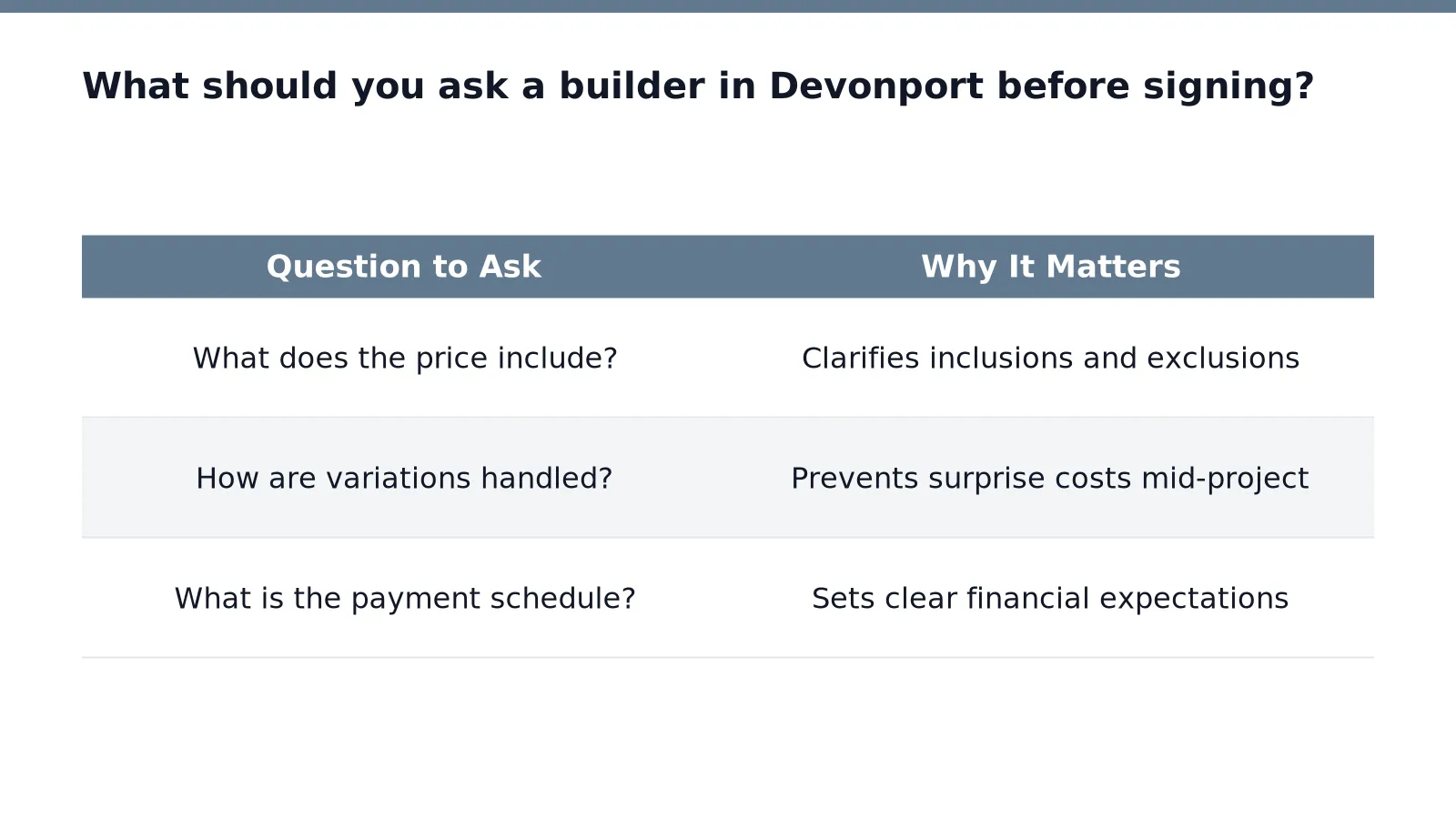
A homeowner in Devonport should ask three questions before signing any building contract. First, what exactly does the quoted price include? Second, how are variations handled? Third, what payment schedule applies?
Builders Devonport residents engage should provide a written contract once plans and detailed specifications are finalised. That contract must set out both parties’ responsibilities. It should also include a progress and payment schedule. Without these details, disputes over scope and timing become likely.
What should the contract include about payments?
The contract should specify a progress payment schedule tied to completed stages. A builder Devonport homeowners hire will document when each payment falls due. This protects both parties from cash flow surprises.
How are variations and change orders managed?
New home purchases involve more variables than resale transactions. Build timelines, upgrade selections, and change order policies all vary by builder. Homeowners should confirm the variation process before work begins. A written change order procedure prevents unexpected costs later.
Home builders Devonport clients select should welcome questions about inclusions and exclusions. The quoted price may not cover every upgrade or site cost. Asking for a detailed specification list removes ambiguity.
When choosing a builder Tasmania homeowners should also verify local experience. Mirage Building and Construction is based in Devonport and works on residential and commercial projects across northern Tasmania. A builder familiar with Devonport conditions is better equipped to navigate local soil, weather, and council requirements.
Question to Ask
Why It Matters
What does the price include?
Clarifies inclusions and exclusions
How are variations handled?
Prevents surprise costs mid-project
What is the payment schedule?
Sets clear financial expectations
A thorough contract review before signing protects the homeowner’s investment. Skipping these questions risks delays, disputes, and unplanned expenses.
How do you check a builder’s experience with Devonport sites?
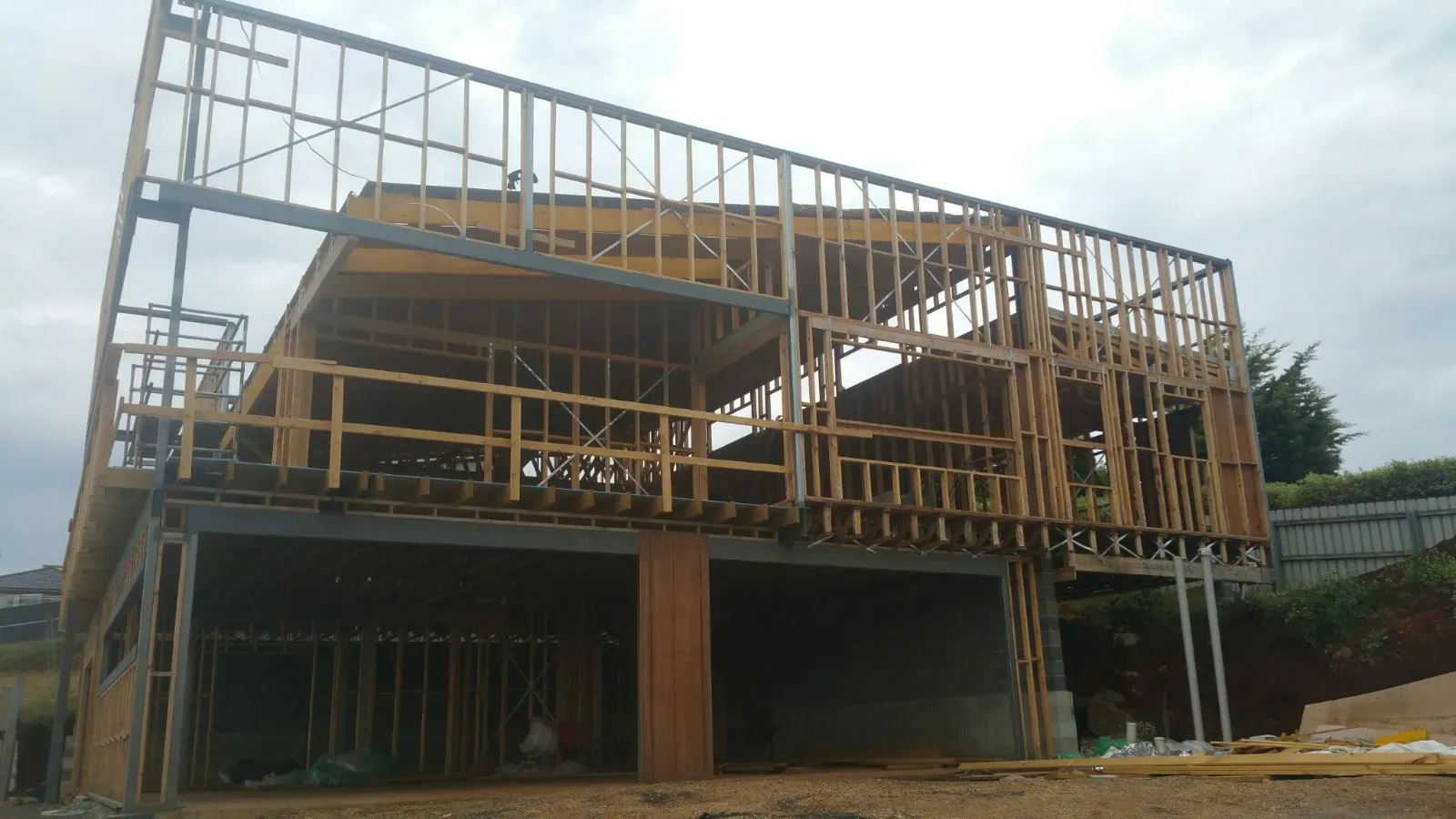
Homeowners should ensure their builder is familiar with Devonport’s ground conditions, as this directly affects structural outcomes. Tasmania’s varied site conditions and existing buildings place heavy demands on foundations, making local site knowledge a non-negotiable criterion when choosing a builder Tasmania. Homeowners who skip this check may increase the risk of undetected subsidence and costly remedial work later.
Devonport has site-specific ground conditions that should be assessed before work begins. Older homes in the area often sit on shallow stumps or strip footings that were never designed for these movement cycles. Homeowners should verify a builder’s experience with specific foundation challenges in northern Tasmania before engaging them.
What foundation techniques matter for Devonport homes?
Underpinning strengthens existing footings by extending them deeper into stable ground. The technique becomes essential when original foundations have shifted or cracked. Screw piles offer a modern alternative, anchoring new builds and extensions into load-bearing strata without the excavation that traditional concrete footings require. Both methods address the site-specific foundation requirements.
How can a homeowner verify local project history?
Direct questions about past Devonport projects reveal whether a builder has handled the region’s soil conditions. Homeowners should ask for examples of completed underpinning or restumping work on similar-era homes. A builder Devonport with relevant experience can describe specific foundation issues encountered on local sites and the solutions applied. Reviewing documented project examples can help confirm that track record.
Home builders Devonport who maintain a portfolio of local projects demonstrate ongoing engagement with the area’s construction conditions. Builders Devonport familiar with existing local properties can discuss relevant structural considerations. This combination of technical skill and local regulatory knowledge reduces the likelihood of delays once construction begins.
Who manages your project from start to finish?
A dedicated team manages each project for the life of the build. Homeowners in Devonport who understand this structure before signing a contract avoid the misunderstandings and delays that plague fragmented construction processes.
Why does a consistent project team matter?
A dedicated team supports clear communication throughout the project. Signing a contract without clarifying who runs the day-to-day work leads to unexpected costs and timeline blowouts. Builders Devonport homeowners select should explain who manages the project and how updates are handled.
What questions should homeowners ask about project management?
Three questions reveal whether a builder’s management structure protects the client’s interests. First, ask who the site supervisor is. Second, ask how often progress updates arrive and in what format. Third, ask who holds authority to approve variations on site. Choosing a builder Tasmania-wide requires this scrutiny because project management practices vary dramatically between firms. The builders who welcome detailed questions upfront typically deliver a clear process.
Mirage Building and Construction structures its home builders Devonport projects around a dedicated team model. The dedicated team supports the project from planning through handover. This approach reduces the risk of miscommunication that occurs when personnel rotate between multiple sites. For Devonport homeowners undertaking renovations or new builds, the builder Devonport selection includes understanding how the company manages each stage of the work.
What should you ask about timelines and scheduling?
A construction timeline outlines every phase of a build from site preparation to handover. Homeowners who leave scheduling details unexamined before signing a contract risk delays, cost overruns, and months of uncertainty. Build timelines vary by builder and can significantly affect the experience if left unexamined before committing. A clear, written schedule protects both parties and sets realistic expectations from day one.
How do Devonport weather patterns affect construction schedules?
Northern Tasmania’s weather patterns create genuine scheduling challenges for builders Devonport projects. Wet winters and coastal conditions slow exterior work, particularly roofing, bricklaying, and rendering. A realistic schedule accounts for weather delays common in the region. The contract should explain how weather delays are communicated and managed.
What should a written schedule include?
A written schedule sequences every trade and milestone in order. Ask any builder Devonport candidate how they coordinate electricians, plumbers, plasterers, and carpenters so no trade waits on another. The contract should set out both parties’ responsibilities and a progress and payment schedule. Each payment should link to a completed milestone, not a calendar date, so homeowners only pay for work actually finished.
Home builders Devonport firms serving the north-west coast typically manage projects across Devonport, Ulverstone, and Burnie. This geographic spread means scheduling must account for crew travel and material delivery across multiple sites. Ask how the builder sequences trades across their active projects and whether the schedule is communicated in writing at the outset. A builder who provides a detailed, dated programme before excavation begins demonstrates the planning discipline that keeps a Devonport build on track through every season.
How do you handle variations and unexpected site conditions?
Variations and unexpected site conditions require a documented process before any work proceeds. A clear variation procedure protects both the homeowner and the builder Devonport projects depend on for accountability. Without a written agreement, scope changes create budget blowouts and timeline delays that erode trust in the entire build.
What should a variation process include?
A builder documents every change to scope in writing before commencing work. The contract sets out both parties’ responsibilities and establishes a progress payment schedule tied to completed stages. Change order policies vary by builder, so homeowners benefit from understanding how variations are priced and approved before signing anything.
How do Tasmanian site conditions affect the build?
Devonport’s soil types and weather patterns introduce foundation risks that standard plans cannot anticipate. Doors that stick, cracks along walls, and uneven floors signal movement beneath the structure. These conditions demand a builder equipped to respond with underpinning, restumping, or screw piles when the ground shifts unexpectedly. Mirage Building and Construction provides these foundation solutions as part of its service offering across northern Tasmania.
What happens when hidden problems emerge during excavation?
Unexpected discoveries during excavation trigger the variation process immediately. The builder assesses the condition, documents the required remediation, and presents a written change order with pricing before any additional work begins. Homeowners reviewing Devonport home renovation costs should factor in a contingency for these site-driven variations. A builder who welcomes detailed questions about variation procedures demonstrates transparency throughout the construction journey.
FAQ
What should I ask a Devonport builder before signing a contract?
Ask what the quoted price includes, how variations are handled, and what the payment schedule is. A written contract must specify both parties’ responsibilities and a progress payment schedule tied to completed stages.
How do I check a builder’s experience with Devonport sites?
Verify their experience with underpinning and restumping on similar-era homes in northern Tasmania. Mirage Building and Construction is based in Devonport and provides underpinning, restumping and screw piles, along with house foundation services.
What does the contract need to cover about payments and changes?
The contract must include a progress payment schedule tied to completed stages and a written change order procedure. This prevents surprise costs and sets clear financial expectations before work begins.
Conclusion
Selecting a builder in Devonport demands thorough questioning before you commit. The questions outlined (about the dedicated team, written schedules, variation procedures, and site-specific expertise) separate builders equipped to deliver transparent, accountable projects from those who leave homeowners uncertain. A builder who welcomes detailed scrutiny upfront and provides clear, documented answers shows a structured approach to the project through every phase of construction.