
February 17, 2026
New Home Builds Devonport: A Step-by-Step Guide to Planning, Budgeting & Building with Confidence
New Home Builds Devonport: A Step-by-Step Guide to Planning, Budgeting & Building with Confidence
Building a new home in Devonport is an exciting project that rewards thoughtful planning and realistic budgeting. This guide gives you the straightforward steps to move from idea to keys — with fewer surprises along the way. We cover the planning stages, how to estimate and control costs, what to expect from the permitting process, and how custom design and project management help you build with confidence. Many homeowners struggle with cost estimates and local regulations; armed with the right approach, you can keep the process smooth and predictable.
How Do I Plan My New Home Build in Devonport?
Planning a home in Devonport means preparing early and lining up the right local experts. Start by talking with builders who know the area, check land suitability and zoning, and think through the layout and finishes that will shape how you live in the house. Clear decisions at the planning stage reduce delays and unexpected costs later on.
- Consult with Builders: Talk to experienced local builders to learn realistic timelines, site constraints, and typical costs. Builders familiar with Devonport can provide insights into local weather conditions, soil types, and construction challenges unique to the area, helping you avoid common pitfalls.
- Assess Land Availability: Confirm the plot suits your needs, including access, services and any zoning or siting restrictions. Investigate the land’s topography, drainage, and proximity to amenities such as schools, shops, and transport links to ensure it aligns with your lifestyle and plans.
- Design Considerations: Define the layout, room flow and exterior style — these choices affect functionality and build cost. Consider how natural light, ventilation, and energy efficiency can be integrated into your design to enhance comfort and reduce ongoing expenses. Also, think about future-proofing your home for changing needs.
What do you think I should know about Budgeting for building a House in Devonport?
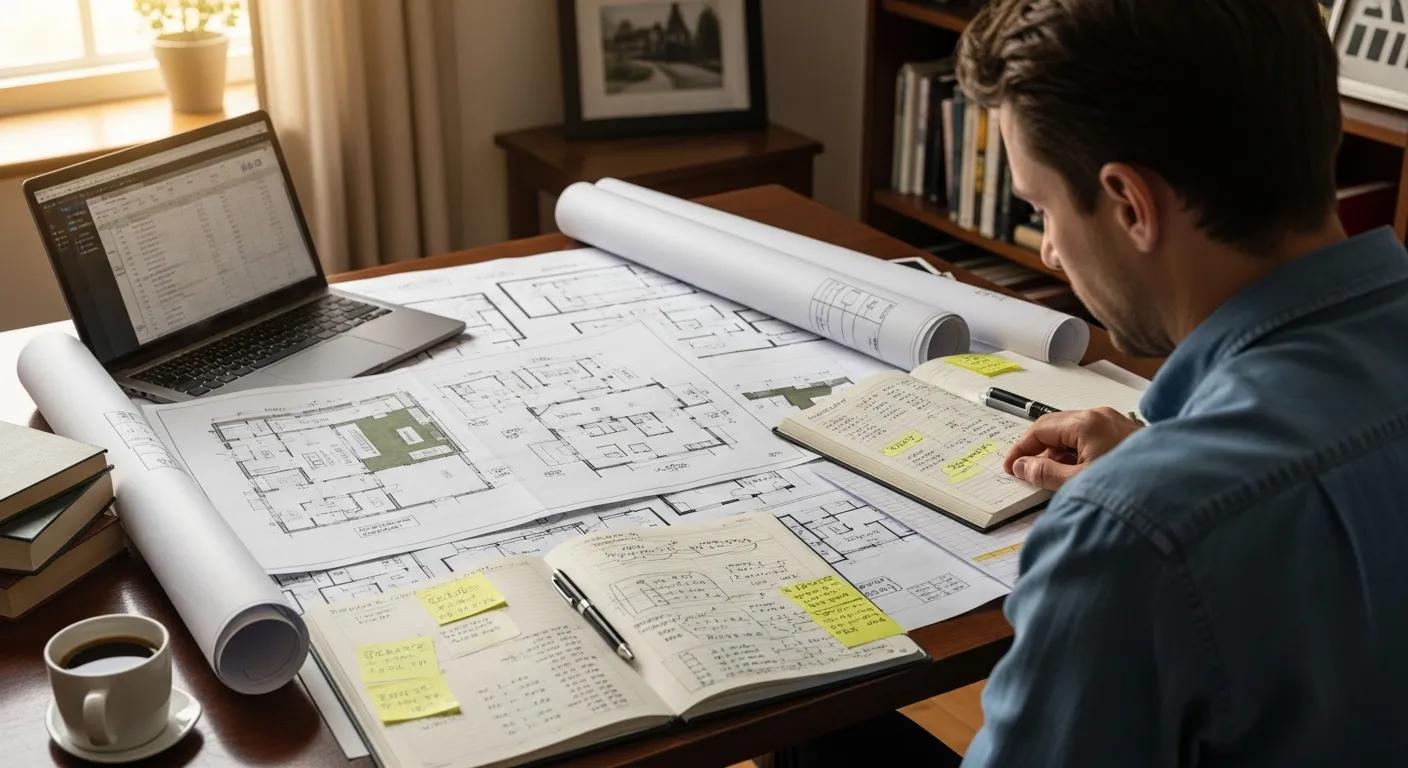
Budgeting is one of the most important steps in a successful build. Use a general cost range as a starting point to set expectations, then refine estimates based on your chosen design, materials and finishes. Early conversations with builders, suppliers and your designer will help you create a realistic budget tailored to your project.
As a rough guide, expect the cost to vary depending on the size and quality of your build, with a general idea of investment needed for a quality home in Tasmania, including Devonport. Keep in mind that market fluctuations, supply chain issues, and labour availability can also impact costs, so it’s wise to build in a contingency buffer.
How Can I Estimate Construction Costs Accurately?
Accurate cost estimates come from considering all the variables: home size, design complexity, site conditions and the standard of finishes. Getting multiple quotes, requesting detailed line items and allowing a contingency for unforeseen site issues will give you a clearer picture and protect your budget.
- Factors Affecting Costs: Size, design complexity, site access and material quality all shape the final price. For example, a larger home with custom features and premium materials will cost more than a simpler, smaller design.
- Consultation Benefits: Multiple builder quotes and a detailed scope help you compare apples to apples and spot savings. Engage with suppliers early to understand material costs and availability, and consider alternative options that maintain quality but reduce expenses.
How Do I Navigate Building Permits and Regulations in Tasmania?
Understanding Tasmania’s building regulations early prevents costly hold-ups. Local councils have specific requirements affecting design, siting and approvals, and builders familiar with Devonport can guide you through the paperwork and assessment steps.
- Consultation with Builders: Experienced builders can explain permit pathways and common local compliance issues. They can also advise on environmental considerations, such as bushfire zones or flood-prone areas, which may affect your design and approvals.
- Design and Permitting Process: Make sure your plans meet local codes before submission to speed up approval. This includes compliance with energy efficiency standards, building codes, and any heritage overlays that may apply.
- Local Requirements: Check council rules, overlays and any environmental or heritage constraints relevant to your site. Engage with council planners early to clarify any special conditions or community consultation requirements.
What Is the Process to Obtain Building Permits in Devonport?
Securing permits in Devonport usually starts with an initial consultation with your builder or architect to prepare compliant plans and supporting documents. Once submitted to the council, your application may need further information or minor changes before approval. Planning the submission carefully reduces the chance of delays.
- Initial Consultation: Work with a builder or architect to assemble the plans, engineering and documentation needed for approval. This includes site surveys, structural engineering reports, and energy compliance certificates.
- Planning and Design Coordination: Align your design with local codes and council requirements before submission. This step often involves iterative reviews and adjustments to ensure all criteria are met.
- Approval Process: Lodge your application with the council and respond promptly to any requests for additional information or adjustments. Maintaining good communication with council officers can help expedite the process.
How Can I Build with Confidence Using Custom Home Designs and Project Management?
Custom designs let you shape a home that fits your life, while strong project management keeps the build on time and on budget. Bringing designers, builders and project managers together early creates clarity around expectations and reduces the risk of costly changes during construction.
This approach aligns with best practices that emphasise coordinating design and construction management for successful custom builds. Effective project management includes scheduling, quality control, risk management, and regular progress reporting to keep all stakeholders informed.
- Consultation and Planning: Involve designers and builders early to develop a clear, buildable brief that reflects your priorities. This collaborative approach ensures your vision is achievable within your budget and timeline.
- Choosing a Reliable Builder: Select a builder with a proven track record, clear communication and transparent pricing to protect quality and timelines. Check references, review past projects, and ensure they have experience with custom homes in Devonport.
- Quality Control Measures: Set inspection points and agreed acceptance criteria to keep workmanship and materials to standard throughout the build. Regular site visits and third-party inspections can help maintain standards and catch issues early.
What Are Popular Custom Home Design Options in Devonport?
Popular custom designs in Devonport often focus on natural light, energy efficiency and connecting indoor spaces to the landscape. Open-plan living, passive design features and materials that suit the local climate are common choices for both comfort and long-term running costs.
- Popular Design Styles: Consider contemporary, coastal or cottage-style homes that suit the local context and your lifestyle. These styles often incorporate large windows, verandas, and natural materials to blend with the environment.
- Customisation Options: Look at energy-efficient systems, flexible room layouts and smart-home integrations to future-proof your build. Solar panels, rainwater harvesting, and advanced insulation are popular features that enhance sustainability.
Different budgeting strategies help you manage costs and trade-offs during the build.
The table above shows how different approaches to budgeting influence your total build cost and where you might prioritise spending. For example, opting for simpler designs can reduce labour and material costs, while investing in high-quality materials may increase upfront costs but lower maintenance expenses over time.
In summary, a successful Devonport build combines early planning, realistic budgeting and clear coordination with local professionals. By following these steps — from site assessment through permits and into construction — you’ll reduce surprises and build a home that suits your needs and budget. Thoughtful decisions at each stage give you confidence from design to handover.